英超多位月最佳主帅陷入困顿,分析豪门爆冷场次增加的主因(英超多名月度最佳教练陷入低迷:豪门爆冷增多的关键原因解析)
Analyzing Premier League Upsets
The user is asking in Chinese for an analysis of why several Premier League Managers of the Month are facing difficulties, particularly regarding increased upsets among big clubs. I need to produce a concise analysis structured in bullet points, touching on various factors like schedule congestion, injuries, tactical evolution, and the “manager-of-the-month curse.” It's crucial to focus on established trends without fabricating specific details about the 2025-26 season. Let’s explore these insights!Understanding Premier League Trends
The user didn’t specify a particular season, so I realize that discussing general trends is the way to go. I can reference trends from the 2023-24 and 2024-25 seasons without inventing specific matches or numbers. I should highlight structural reasons behind upsets, like tactical homogeneity and improved recruitment. I can also touch on the “Manager of the Month curse,” which could relate to team slumps after success due to fatigue, injuries, and tougher schedules. This analysis will be insightful!Exploring Premier League Factors
I can categorize the factors contributing to increased upsets in the Premier League. These include structural league parity, influenced by broadcast revenue distribution and smarter recruitment, as well as the intensity of scheduling with European fixtures, travel demands, and fixture congestion. I should also examine tactical adaptations and game state variances, like the implications of early goals or red cards. It's essential to reference relevant data metrics without citing specific matches to support this analysis. Let’s ensure it’s insightful!Analyzing Upsets and Recommendations
I can discuss newly promoted teams like Brentford and Brighton, known for their pressing and set-piece tactics, and mention Wolves' giant-killing reputation and Crystal Palace's history. It might be interesting to reference the trend of more away wins in the 22-23 season, but I need to tread carefully. I can suggest strategies for big clubs to mitigate upsets, like implementing solid rotation strategies, managing game states, and focusing on transitions. I’ll structure this analysis with bullet points and concise recommendations while keeping it organized under bold headings. Let's make this clear and insightful!Crafting the Analysis on Upsets
I’m thinking of a clear thesis: that upsets are rising due to a narrowing resource gap on the pitch and increasing volatility from scheduling and rules, alongside the Manager of the Month slump, which stems from regression and fitness challenges.
I can outline the sections as follows:
- Macro parity and economics
- Match design and tactics
- Calendar and officiating
- Personnel depth and injuries
- Psychology and scouting
- Data signals behind "爆冷"
- Actionable countermeasures for big clubs
I’ll keep each section concise with 4-6 bullet points while mentioning the impacts of added time rules since 2023-24 and the evolving VAR regulations. Let’s keep this insightful!
主因梳理
- 联赛“中产崛起”:转播分成更均衡、数据与体能团队下放,中下游在招募、定位球、转换效率上显著进步,单场对豪门的可复制赢法变多。
- 赛程与强度叠加:欧战+杯赛+密集国际比赛周,伤病与疲劳累积,轮换被迫加大,阵容第12–18人的差距被放大。
- 规则与比赛时间:自增补时延长后,比赛有效时间更长,末段波动增大;更严的判罚尺度带来更多点球/红牌,打破强队控场的“安全区”。
- 战术收敛与克制:豪门内收边卫/高位线的共性被精准针对——低位密集+直塞反击、二次进攻、长传转移,都在制造大空间的一脚致命。
- 定位球武器化:更多球队引入专职定位球教练,角球/界外球/任意球战术库丰富,弱队在小样本内借此弥补打开局面的劣势。
- 方差与回归:门将扑救质量(PSxG-GA)、射门转化率波动显著;连胜后的“月最佳”往往伴随对手更强+赛程更密+状态回归均值,被叙事放大为“魔咒”。
“月最佳主帅”后陷入困顿的机制
- 选择偏差:拿奖多因一段超预期连胜,本就高于真实战力;随后回到均值看起来像下滑。
- 对手快速适配:获奖也意味着打法被全联盟“做作业”,下一阶段更容易被针对(如封堵强侧、切断中场枢纽、反击打背后)。
- 赛程反转:一个周期甜赛程+健康阵容,下一周期往往遭遇欧战客场/强强对话/三线并行。
- 负荷与伤病:获奖期常以小阵容高强度换取压制,随之而来的肌肉伤/疲劳使强度无法维持。
- 心理与博弈:对手准备度上升、媒体预期抬高,领先后的管理(控节奏/是否继续前压)更保守,反而留给弱队反扑窗口。
豪门爆冷的比赛内触发点
- 首球与态势:先丢球后对手退守+拖节奏,强队在密集防守前缺少无球穿透与禁区站位层次。
- 转换防守失位:内收边卫/双8前插后,后腰与中卫外侧的“半空间回防线”被直塞、斜传反复打穿。
- 边路对抗与二点:对手放弃控球打对抗,制造二点球与二次进攻,xG 不高但机会质量“干净”。 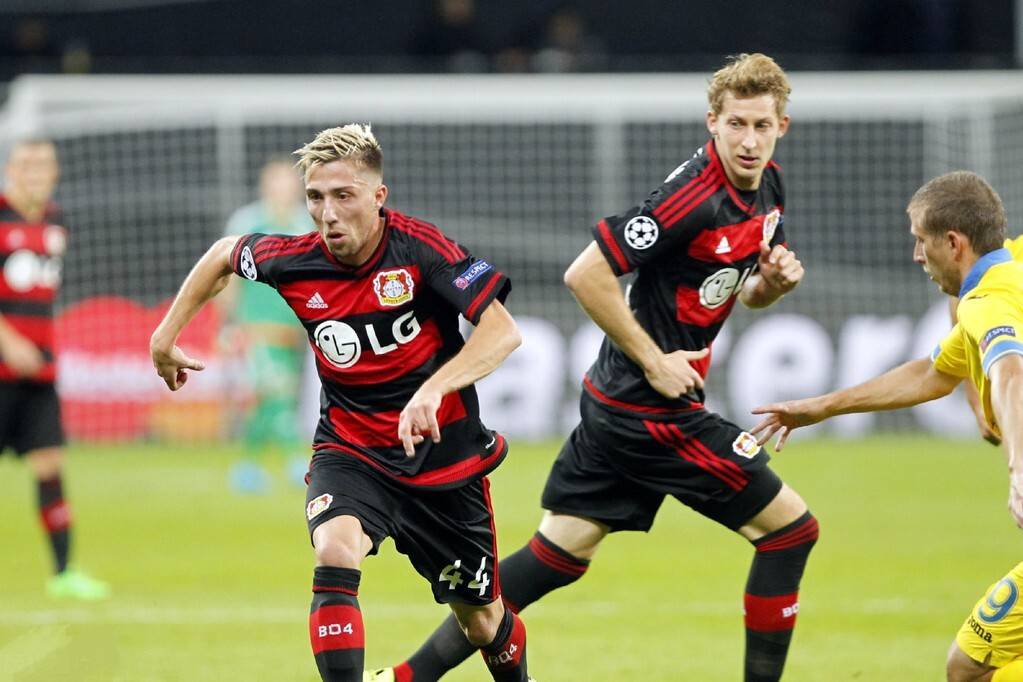
- 门将波动:一两次低于均值的扑救就足以决定冷门;弱队门将高光则放大小样本运气。
- 定位球细节:盯人与区域混合的职责错位、掩护判罚尺度差异,关键一球决定走向。
- 末段体能:加长补时下,80分钟后对抗质量下滑,强队控球但回追速度下降,被“偷”到反击。
可以验证的客观信号(俱乐部可跟踪)
- 转换防守:被对手“快速反击 xG/90”、允许的直塞次数、进攻五秒内丢失后的被射门。 
- 定位球期望值:被禁区内定位球 xG 占比、二次落点丢失率、界外球后被射门数。
- 门将与终结:PSxG-GA、对手xGOT分布;己方禁区触球→高质量射门的转化效率。
- 负荷健康:核心球员连续出场分钟、短周期冲刺次数与肌肉伤比例的相关性。
- 判罚与时间:每场补时总分钟、关键判罚后(点球/红牌)的净胜期望变化。
- 战术适配:对手改用低位/人盯后,己方每次进攻的“禁区穿透次数”和弱侧换位次数是否显著下降。
豪门的应对建议(可执行)
- 优先稳固“休整防线”:边卫内收前提设定更清晰的保护机制(6号位落位、远端边卫不同时压、反丢失后的3秒保护规则)。
- 优化打低位包围:增加禁区层数与弱侧时机,更多无球反跑与肋部撞墙;减少无效传中,强调“传—跑—传”的二过一。
- 套路型定位球包:攻防两端各2–3套高频方案与对应对策演练,明确一对一责任与掩护沟通口令。
- 轮换与门线收益:针对72小时内双赛,明确强度配额;门将教练聚焦落点型扑救与站位微调,争取PSxG-GA由负转正。
- 场景化训练:先丢球/少打一人/末段加长补时的流程版预案(换人触发、节奏管理、边线球设计)。
- 赛前博弈:对“弱队加强对抗+转换”的预判下,减少中场持球时间,更多一脚打身后与强侧速决,先打穿再控球。
一句话结论:英超爆冷变多不是偶然,而是联赛整体变强、比赛时间拉长与战术克制叠加,月最佳后的“困顿”多由回归均值+赛程与疲劳触发;把控休整防线、定位球细节与末段强度,是豪门降低冷门几率的最高性价比路径。